However, introducing GLP-1 requires careful consideration of timing, individual readiness, and long-term goals
It has taken us, so far, one-third of the time to issue warning letters from the date that the inspection closes to the date of warning letter issuance. 16 The April 2025 reduction in force (RIF) at FDA does not appear to have impacted WLs for FY25
Clinical safety and efficacy have not been established in large-scale human trials
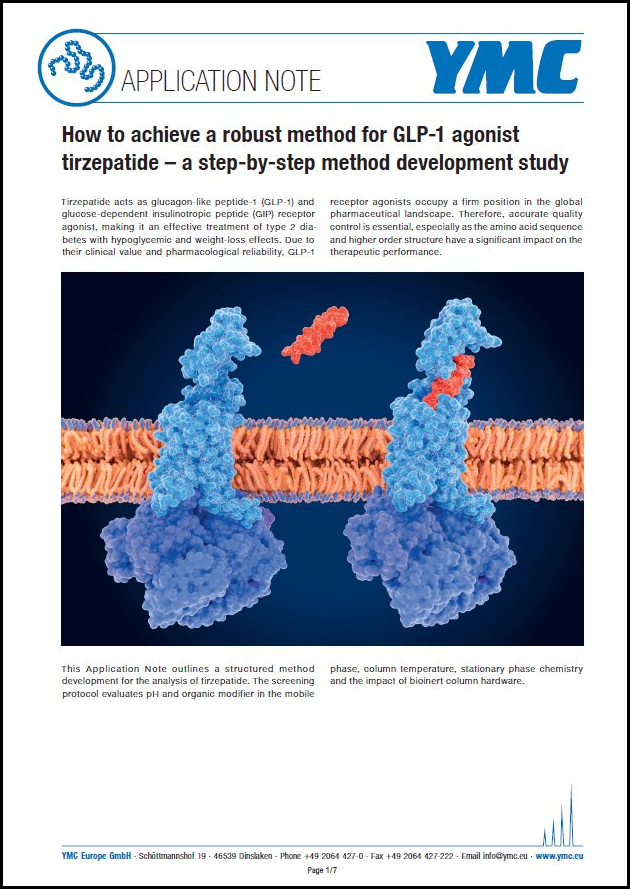
Besides, GLP-1 RAs inhibit mitochondrial oxidative damage and attenuate reactive oxygen species production.47 Liraglutide has also been shown to suppress vascular cell adhesion molecule-1 expression in the endothelium.6 It also improves arterial stiffness and LV function, while reducing NT-proBNP levels, a biomarker for LV dysfunction.48 Vasodilatory and antioxidant actions could account for some of the antiatherogenic effects in GLP-1 RAs, therefore this drug class may be preferable in diabetic patients with predominant ASCVD risk.3 However, different results were found in studies of exenatide.15,20 Intravenous exenatide in patients after coronary artery bypass grafting surgery did not offer additional cardiovascular benefits compared to parenteral insulin.20 Differences have been suggested to be related to different immunogenicity profiles and signalling pathways in exendin-4 and GLP-1 based agonists.46 Exendin-4 based agonists are postulated to be more immunogenic and cause injection site reactions, leading to higher drug discontinuation rate and diminished benefits in the EXSCEL trial.15,46 Given the conflicting evidence, CVOTs were conducted to study GLP-1 RAs with different populations and formulations